
Syndicated post from InmanNews.
Source link
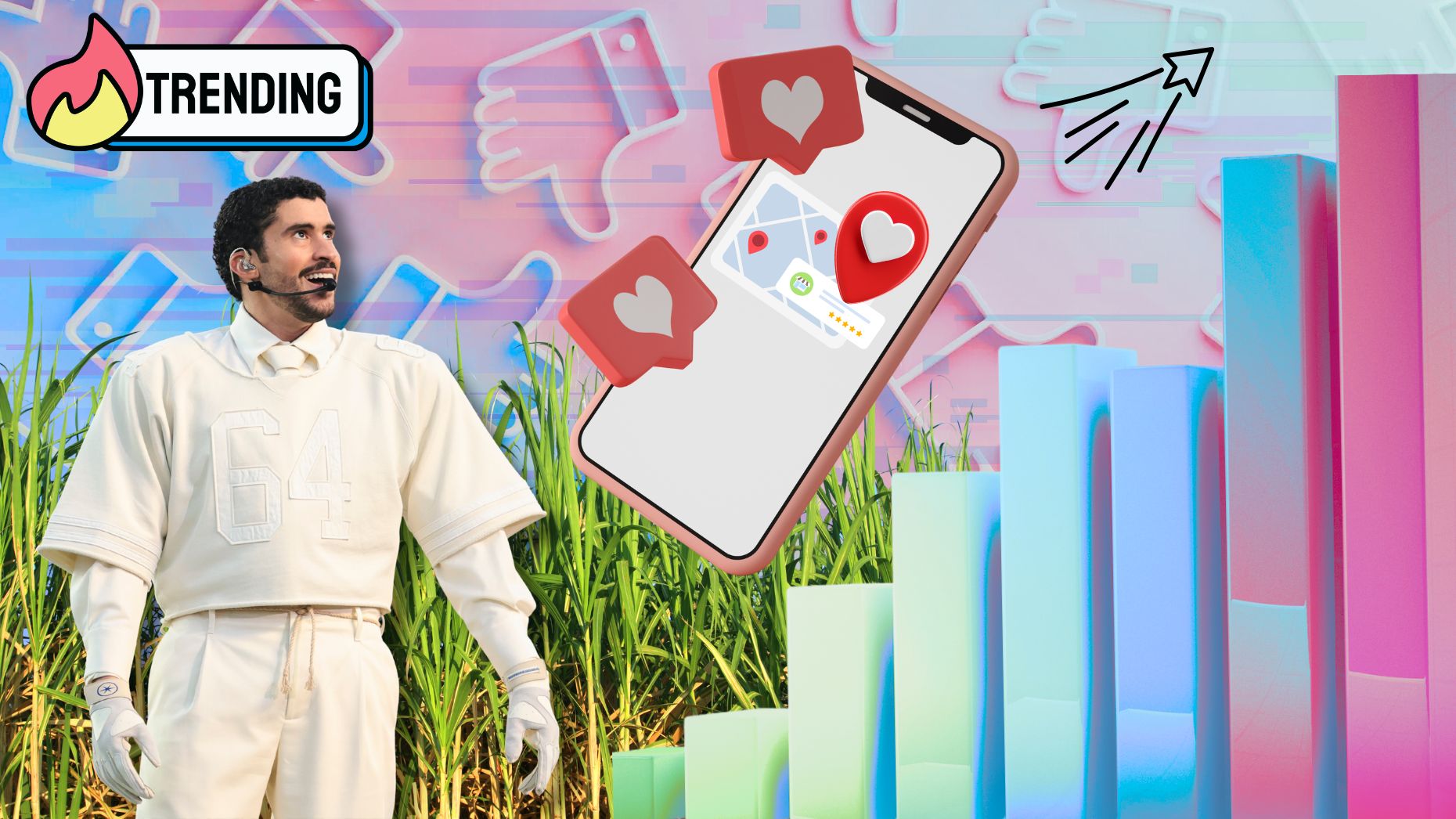
If the Super Bowl proved anything this year, it’s that culture no longer unfolds in neat, contained moments. It compounds. A halftime show becomes a geopolitical debate. A privacy policy update becomes a product launch. A Valentine’s Day promotion becomes a referendum on relationships, budgets and identity. The broadcast ends, but the conversation accelerates.
Social listening is no longer optional. Hyperlocal discovery is being engineered into feeds. Algorithms are becoming adjustable in real time. Campaigns that win aren’t the loudest, they’re the ones that feel participatory, specific and emotionally fluent.
What’s diverging is how brands and professionals respond. Some chase attention while others pause and observe. The ones building a durable presence are doing something quieter and more strategic: They’re entering conversations with intention, aligning content to place and moment and recognizing that visibility without relevance is increasingly fragile.
In a landscape defined by speed, personalization, and fragmentation, the advantage belongs to those who understand not just what is happening but also how their audience is reacting as it unfolds.
Super Bowl halftime becomes a live listening test
Super Bowl LX’s halftime show didn’t just dominate the stadium — it dominated feeds. Bad Bunny delivered the first all-Spanish headlining performance in Super Bowl history, celebrating Latin heritage while sending messages about unity, identity and belonging.
The result was immediate and polarized. Supporters amplified the show’s message of love and cultural pride. Critics called it divisive. Politicians and commentators piled on.
While overall TV viewership came in just below last year, social media told a different story. The halftime show generated a record 4 billion views across platforms in the first 24 hours, with more than half coming from international audiences. The cultural impact extended far beyond the broadcast itself.
Moments like this aren’t just entertainment. They’re real-time case studies in audience sentiment. The conversation wasn’t happening on stage. It was unfolding across Facebook, Threads, Instagram, TikTok and group texts.
What this means for real estate professionals
Shared cultural moments are opportunities to connect — not only to broadcast your opinions, but also to listen and engage. When something captures your audience’s attention, acknowledge it thoughtfully. Ask questions. Invite perspective. Be human.
The agents who build durable brands aren’t talking at their followers, but rather with them, showing they understand the moment and the people experiencing it.
TikTok pushes deeper into local discovery
TikTok has officially launched its Local feed in the U.S., adding a new tab designed to surface nearby creators, restaurants, events and small businesses based on location and timeliness. The feature has been tested internationally for years, but its American debut comes just weeks after backlash over updates to TikTok’s privacy policy tied to its U.S. ownership restructuring.
The company says posts in the Local feed are ranked by proximity, topic and recency, making it easier for users to discover what’s happening in their immediate community. Critics have questioned whether the rollout is meant to calm concerns about expanded location data usage.
TikTok maintains that the policy updates were not about increased surveillance, and the Local feed is positioned as a discovery tool, not a tracking mechanism.
For agents and local brands, the bigger takeaway is platform intent. TikTok is signaling that hyperlocal discovery is a priority. That aligns directly with real estate’s core value proposition: neighborhood knowledge.
What this means for real estate professionals
If your content isn’t clearly tied to place, you may not show up where it matters most. This is a reminder to optimize profiles, captions and video topics around neighborhoods, landmarks, schools and local events. Platforms are increasingly rewarding specificity. Agents who treat social as a local search engine — not just a highlight reel — will be better positioned as discovery tools evolve.
Threads lets users steer the algorithm
Threads is giving users a new way to influence what they see with “Dear Algo,” an AI-powered feature that allows people to request more or less of specific topics in their feed. By posting “Dear Algo” followed by a preference — such as wanting more NBA coverage during a live game or fewer posts about a show they haven’t watched — users can temporarily adjust their feed for three days.
The move reflects a broader shift across social platforms: audiences want personalization on demand, not just passive algorithmic curation. Instead of guessing what matters, Threads is inviting users to say it directly.
For professionals who rely on social visibility, that matters. If users can tune their feeds in real time, content that feels generic or loosely relevant may disappear faster. At the same time, high-interest topics and timely conversations could gain even more momentum as users actively opt in.
What this means for real estate professionals
Relevance is becoming explicit. When major events, rate shifts or local news break, create content that clearly names the topic so audiences can “dial you in.” The more precisely you align your posts with what people are actively asking to see, the more likely you are to stay in their customized feeds.
Angry Orchard turns breakups into a brand moment
Angry Orchard found a way to tap into Valentine’s Day angst with its “Ex-Change” program, inviting consumers to ship their ex’s leftover belongings to the brand in exchange for cash toward hard cider. The kits — complete with prepaid shipping labels — quickly sold out after going viral on Instagram, where posts racked up tens of thousands of likes and shares.
The hook wasn’t just free product. It was emotional relevance. By framing the campaign around a shared, slightly messy cultural moment — post-breakup clutter and Valentine’s Day frustration — the brand gave people a participatory outlet.
Users weren’t just watching an ad. They were joking, tagging friends and asking if “emotional damage” qualified for return.
The promotion also leaned into sustainability, promising to donate or recycle all items received. That added a values layer without dulling the humor.
What this means for real estate professionals
Campaigns that work often start with a relatable truth. Think about the life transitions your clients experience — breakups, downsizing, fresh starts, empty nests. Instead of only promoting listings, consider how you can create content that acknowledges those emotional chapters. When marketing reflects real human moments, audiences are more likely to engage — and invite others into the conversation with you.
Valentine’s Day becomes a cultural remix
Valentine’s Day marketing is no longer just about roses and romance. In 2026, brands are treating the holiday as a flexible cultural canvas — part love story, part breakup therapy, part budget reality check. From updated candy-heart slogans about splitting rent to cheese “bouquets,” engagement-ring claw machines and pet-first promotions, marketers leaned into how relationships actually look right now.
Legacy names like Sweethearts and Brach’s modernized their messaging with humor and affordability in mind, while brands such as DoorDash and Instacart reframed Valentine’s Day around convenience and low-risk gifting.
Even unexpected players — including JCPenney with its jewelry “Ex-Change” and Natural Light with a tongue-in-cheek lingerie-style lawnmower cover — tapped into post-breakup humor and cultural irony.
The through line wasn’t sentimentality. It was specificity. Brands recognized that Valentine’s Day now means different things to different audiences: couples, singles, friends, pet owners, budget-conscious renters and people happily opting out. Instead of pushing one narrative, they met consumers where they are.
What this means for real estate professionals
Seasonal moments only work when you acknowledge their complexity. Valentine’s Day isn’t just about couples buying dream homes. It’s about roommates renewing leases, newly single clients downsizing, families nesting and friends buying first properties together. The agents who build connection are the ones who reflect real life — not a postcard version of it — and invite their audience to see themselves in the conversation.
TL;DR (Too Long, Didn’t Read)
- Super Bowl halftime proved that cultural moments now unfold on social first, making active listening and thoughtful participation more valuable than hot takes.
- TikTok’s new Local feed reinforces that hyperlocal, place-based content is becoming central to discovery.
- Threads’ Dear Algo feature signals that audiences can now explicitly tune their feeds, raising the bar for timely, clearly framed posts.
- Angry Orchard’s viral breakup campaign shows that emotional relevance and participation outperform straightforward product promotion.
- Valentine’s Day marketing is fragmenting, rewarding brands that reflect real-life complexity instead of pushing a single, polished narrative.
Platforms are rewarding specificity. Audiences are demanding participation. Cultural moments are becoming stress tests for how well brands understand the people they serve.
This isn’t about reacting to every headline or turning your feed into a commentary channel. It’s about discipline. Listening before speaking. Naming the moment clearly. Tying content to place, to timing and to real human transitions.
In a fragmented digital ecosystem, attention is fleeting. Relevance is earned. The professionals who will stand out aren’t the ones posting the most. They’re the ones who show up with context, clarity and a genuine read on what their audience is experiencing in real time.
Each week on Trending, digital marketer Jessi Healey dives into what’s buzzing in social media and why it matters for real estate professionals. From viral trends to platform changes, she’ll break it all down so you know what’s worth your time — and what’s not.
Jessi Healey is a freelance writer and social media manager specializing in real estate. Find her on Instagram, LinkedIn, Threads, or Bluesky.

